Called to Sow
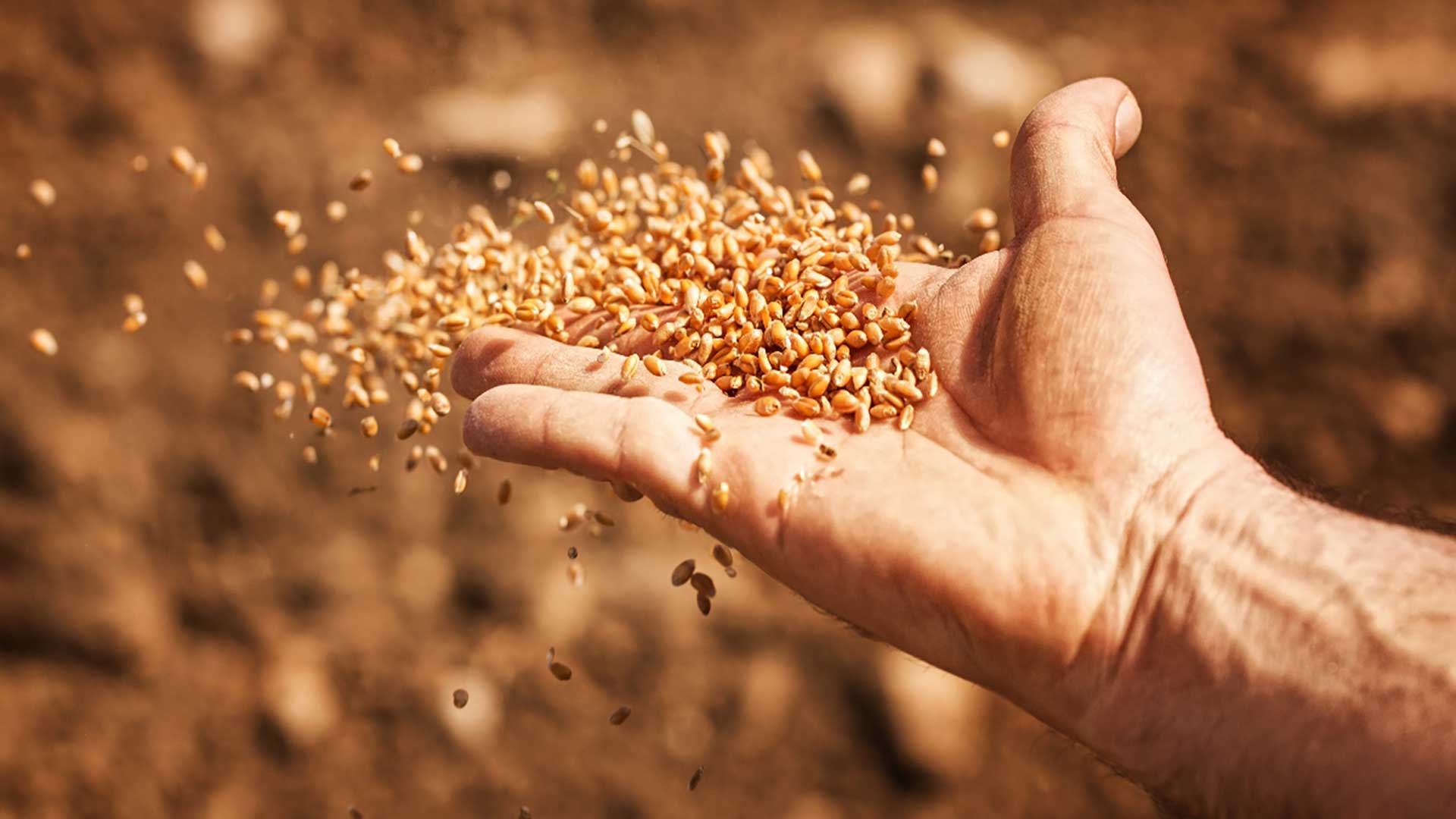
Quite interestingly, the theme of sowing in the Readings today runs parallel to our monsoon sowing season.
The First Reading (Is 55: 10-11) points to how the rain and the snow come down from heaven to help sprout the seed that will ultimately produce the sower’s bread. While this speaks volumes of God’s magnanimous concern, what follows is the real clincher: ‘… so shall my Word be that goes forth from my mouth; it shall not return to me empty, but it shall accomplish that which I purpose, and prosper in the thing for which I sent it.’
Those words coming from the Father find echo in the Gospel (Mt 13: 1-23). Here, in the well-known Parable of the Sower, Jesus speaks of four types of soil — flat, rocky, thorny, and fertile — a metaphor for the categories of people’s minds and hearts. The Sower is God Himself, and the seed, His Word, bears fruit only when our minds and hearts are open. The seed does not produce results in soils (read spirits) that are shallow, hard and knotty, for they only pay lip service, or hit back at God’s Word, or even stifle it.
Why did Jesus speak in parables? It was a teaching tradition of His time to tell simple stories in prose or verse. Parables sometimes come across as riddles, but the fact is that they contain profound teachings that are central to Jesus’ doctrine. They comprise some of the best short stories ever told and have become an important literary genre. That was indeed Jesus’ way of reaching out to those who were not given the knowledge of the secrets of God’s Kingdom.
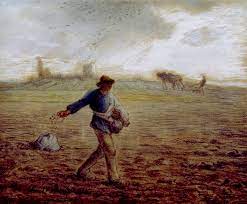
Above all, parables serve to make us aware of real-life situations and help us firmly decide on a course of action. Therefore, we as Christians have a weighty responsibility on our shoulders: those who have been let in on the secrets of the Kingdom have to be Sowers of the Seed on God’s behalf. We can do this by learning Catholic doctrine and by evangelising through word and deed. We cannot be indifferent to God’s call; we need to use our talents in God’s service without worrying about the success of our efforts. We must be focussed on our mission on earth and on the treasure that lies in Heaven and not let the world seduce us.
But none of that is a cakewalk. Our spiritual transformation involves suffering and patient waiting. St. Paul, in the Second Reading (Rom 8:18-23), expresses confidence that ‘the sufferings of this present time are as nothing compared with the glory to be revealed to us.'
Therefore, we have to keep going in hope. ‘All creation is groaning in labour pains… as we wait for adoption, the redemption of our bodies,’ stresses the Apostle. So, our prayer should be, as the hymn ‘United in One Body’ puts it so beautifully:
We are the wheat of Christ: if we be ground in
the mill of life, may we be found pure bread.
We are the grape of Christ: if we be crushed in the winepress
of suffering, may we be found pure wine.
Just as the rain and snow return to the heavens only after nourishing the earth, may we return to the Father at the end of the age, transformed into pure bread and wine, and united as one body.
