The Challenge of Faith
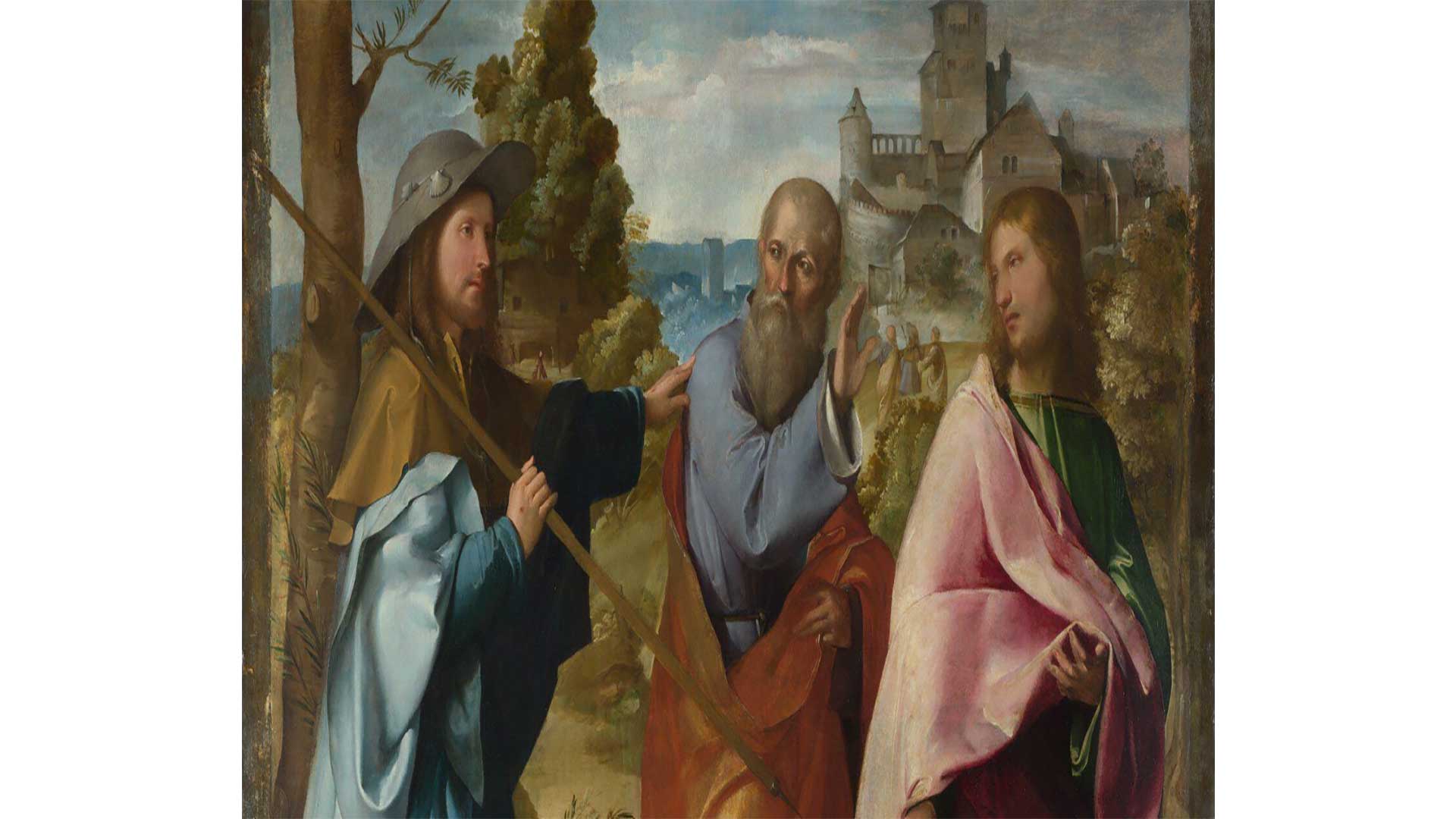
Today’s Gospel (Lk 24: 13-35) recounts the events of the evening of the Resurrection, specifically how Jesus, who had anonymously joined two disciples, Cleopas and an unnamed companion, on the road to Emmaus, remained unrecognised by them. Jesus pretended not to know what had happened in those pivotal days. Rather, He heard what they thought of Him: that He was a prophet expected to redeem Israel, and now His body was missing.
Were the disciples feeling it was all over now? Just then, the unknown fellow traveller lamented their foolishness and how they were 'slow of heart to believe all that the prophets have spoken.' None of that affected their self-esteem; they even invited the stranger to stay the night with them. It was then at the table—when He took the bread and broke it—that their eyes saw Jesus; he had meanwhile vanished out of sight.
What about us Catholics who have been with the Lord for so long? Do we truly know Him intimately, or do we take Him for granted? Do we acknowledge His presence among us, discern His signs, or does life go on as if He doesn't exist? Shouldn’t the Resurrection alone have definitively proven Christ's divinity, strengthened our faith and inspired us to proclaim to the world that He alone is God? Historically, many who claimed to be prophets or even God have died, and we have seen no hint of the glory they had claimed for themselves.
In contrast, the signs, miracles, and wonders that Jesus performed during his public life, and the marvels that we have witnessed down the centuries, are proof enough that the Church is divine. Jesus still walks the pilgrim path with us; He is with us on our road to Emmaus, a road fraught with doubts and difficulties. Jesus shares in our miseries and brightens our path—a mystery we can discern only with eyes of faith.
St. Peter, the focus of the first two readings, drives the same point home. He, whom the Resurrection has transformed, is out to vehemently proclaim his Master. He denied Him three times, but the Resurrection has now confirmed his faith.
The First Reading (Acts 2: 14, 22-33) is a synopsis of Peter’s first testimony about Jesus to the eleven after he received the gift of the Holy Spirit at Pentecost. He has a bounce in his step and a newfound zeal in his voice. He feels emboldened to speak not only by what his ears had earlier heard, but by what his eyes have now seen: the Risen Lord! Peter conscientizes the people and indicts them for killing the Messiah. Needless to say, God, who is always in control, had let it happen 'according to the definite plan and foreknowledge of God' and now 'God raised Him up, having loosed the pangs of death, because it was not possible for Him to be held by it.'
Peter also reminds the people that, as per David's prophesy, God would 'not let the Holy One see corruption'. The foremost Apostle’s message speaks of everlasting life, as prophesied by the sweet psalmist of Israel and fulfilled in the Paschal mystery. He is proud and confident that such a faith is not abstract but based on a real happening: the Resurrection. Nonetheless, as a final test of his faith, he who became the first Pope ordained by Christ Himself died an inverted crucifixion in the Nero Gardens.
In the Second Reading (1 Pet 1: 17-21), we see the Apostle who had struck the High Priest’s servant Malchus with a sword in the Garden of Gethsemane now seizing the opportunity to strike again.... Peter speaks candidly about his Lord and Master, undeterred by the tumultuous circumstances in Jerusalem. His appeal to the faithful to conduct themselves 'with fear' must be understood as the holy fear of God the Father, not of man. He stresses that Jesus is the Paschal Lamb who has sacrificed His life for the new humanity. 'Through Him, you have confidence in God, who raised Him from the dead and gave Him glory, so that your faith and hope are in God,' emphasizes Peter.
Finally, we might wonder if a fisherman like Peter was ever capable of writing such profound exhortations. Most likely, his secretary, Sylvan or Silas, edited his letters, yet there is no denying that they are divinely inspired. The fact that Our Lord chose poor Peter to lead the Church may likewise baffle the worldly wise. But, then, it isn't wisdom that God wants from us, but faith.
Quite paradoxically, a sure way of strengthening our faith is by being fools for Christ, and, like Peter, a rock upon which Christ can build His Church. Dare we accept the challenge of the faith that the fisherman once accepted?
Banner: https://www.nationalgallery.org.uk/paintings/altobello-melone-the-road-to-emmaus
